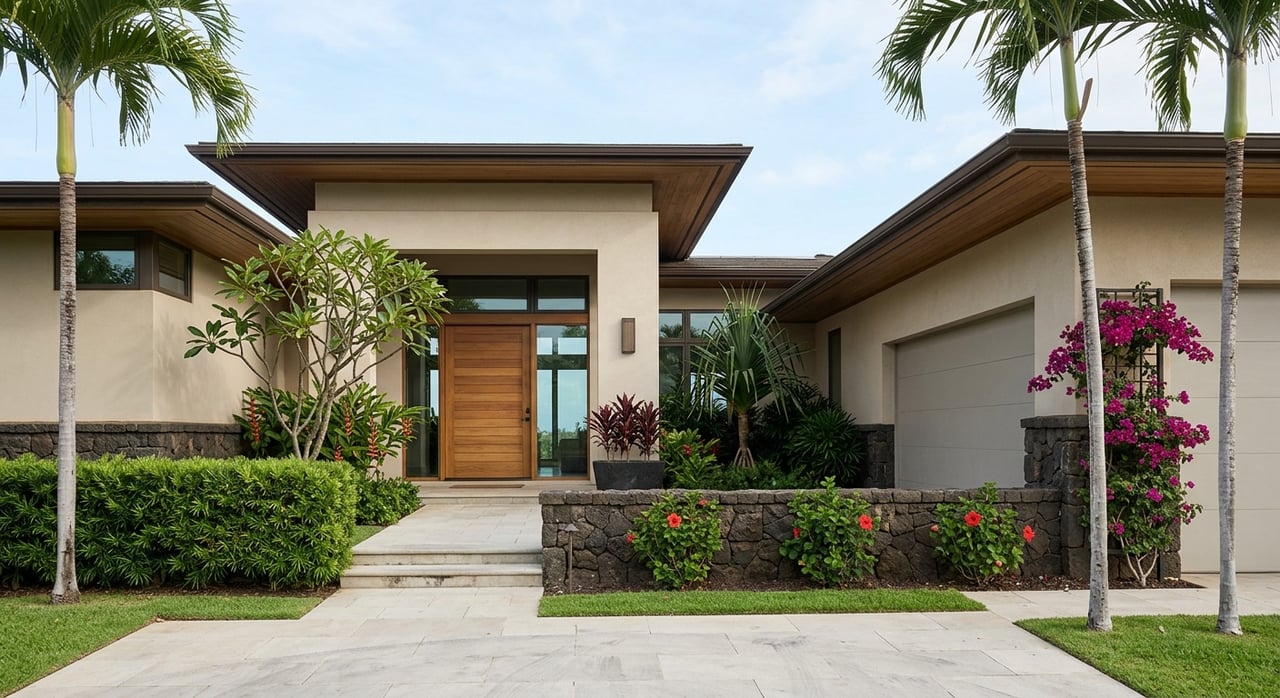
If you’re thinking about living in Wailea full time, you’re probably asking a bigger question than where to live. You’re asking what everyday life actually feels like once the vacation glow wears off. The good news is that Wailea can offer a polished South Maui lifestyle with beach access, outdoor routines, and convenient amenities, but it also comes with a distinct resort character and a more managed way of living. Let’s dive in.
What Wailea Feels Like Day to Day
Wailea is not a conventional stand-alone town. It is a master-planned community of more than 1,500 acres on Maui’s South Shore, with residential, resort, commercial, and recreational properties woven together.
That matters if you plan to live here year-round. Your daily life may feel calm and residential in some areas, while still feeling closely connected to hotels, retail centers, and visitor activity in others.
County planning materials show just how unique that mix is. Wailea has about 1,745 residents and roughly 11,250 daily visitors, which helps explain why it can feel peaceful at home but busy near beaches, shops, and resort hubs.
Why Full-Time Residents Choose Wailea
For many buyers, Wailea works because it blends low-density living with easy access to lifestyle amenities. You can be close to the beach, golf, dining, and wellness-oriented spaces without living in a dense urban setting.
It is especially appealing if you want your routine to be shaped by the outdoors. The area’s setting on Maui’s leeward South Shore means it is generally drier than the windward side, and the coast is typically warmer than Upcountry Maui.
That climate supports the kind of daily rhythm many people move to Maui for. Morning walks, quick beach stops, outdoor meals, and sunset time can become part of your regular week instead of something you save for special occasions.
Beach Life Can Be Part of Your Routine
One of Wailea’s biggest lifestyle advantages is how easy it is to stay connected to the ocean. The coastline includes five crescent-shaped beaches and about 1.5 miles of oceanfront coastal path.
The beach lineup includes Ulua, Mokapu, Wailea, Polo, and Keawakapu beaches. Several offer practical features like parking, showers, restrooms, and picnic areas, which makes casual weekday use much easier.
If you live here full time, beach access can feel less like an event and more like an extension of home. A short morning walk, a swim after work, or a quick stop to watch the sunset can fit naturally into your day.
The ocean conditions also support a wide range of activities. The area is known for swimming, snorkeling, kayaking, paddleboarding, scuba, and seasonal whale watching.
Shopping and Errands in Wailea
Wailea has a convenient commercial core, but it is organized differently than a traditional town center. Instead of one main street, everyday needs are spread across a handful of shopping and service areas.
The main commercial nodes include The Shops at Wailea, Wailea Gateway Center, Wailea Town Center, and Wailea Village. Together, these places cover dining, shopping, services, and some practical day-to-day needs.
Wailea Town Center includes doctor’s offices, a wine and liquor store, real estate services, and a floral shop. Wailea Village adds a locally owned gathering place feel, plus a Tuesday morning farmers market and free parking.
This setup can work well if you like having essentials nearby in a polished, easy-to-navigate environment. At the same time, it still helps to think of Wailea as a resort community with neighborhood conveniences rather than a fully self-contained town.
Dining, Fitness, and Resort Amenities
Living in Wailea means living inside a hospitality ecosystem. The area includes more than 50 restaurants and lounges, three championship golf courses, nine tennis courts, five spas and fitness centers, and eight luxury resort hotels.
For full-time residents, that creates real convenience. You have access to a wide range of dining and wellness options without needing to drive far for a nice dinner, spa appointment, or fitness routine.
It also shapes the overall feel of the community. Wailea often feels active and polished, but not urban, because so much of its energy comes from lifestyle venues rather than a downtown business district.
Community Life Has a Resort-Centered Feel
If you are relocating from a more traditional suburb or town, community life in Wailea may feel a little different. Events and public gatherings often revolve around the association, retail centers, and resort venues.
That can include holiday celebrations at shopping centers, farmers market mornings at Wailea Village, and cultural or dining events hosted at hotels and restaurants. The result is a social rhythm that feels active and seasonal, but still relatively low-key.
For some residents, that is a big part of Wailea’s appeal. You get access to programming and gathering spaces without the density or pace of a larger city.
What to Know About Association Oversight
Wailea is comfortable and amenity-rich, but it is also a managed master-planned environment. The Wailea Community Association plays a central role in maintaining quality of life, natural beauty, and overall standards.
That oversight includes design review, landscape and infrastructure management, covenant compliance, and community guidelines. For homeowners, that means exterior changes and landscaping upgrades may need approval.
This is one of the clearest tradeoffs in full-time living here. You get a polished setting with strong visual consistency, but you also need to be comfortable with more rules and procedures than you might find in a typical subdivision.
Transportation and Getting Around
Wailea has transit access, but it does not function like an urban, car-light community. Maui County’s bus system serves South Maui and other parts of the island, and the commuter program includes a Haiku-Wailea route.
Even with that service, many full-time residents will likely find that a personal vehicle makes daily life easier. That is especially true if your routine includes appointments, errands beyond Wailea, or regular trips to other parts of Maui.
When you picture living here, it helps to think in terms of island driving rather than walkable urban convenience. Wailea is easy to navigate, but most households still build their routines around a car.
Planning for Schools by Exact Address
If school access is part of your relocation plan, address-level research matters. Hawaiʻi Department of Education enrollment is tied to geographic residence, and students are required to attend the school that serves their home address.
That means it is best not to make assumptions based on the Wailea name alone. The most accurate way to plan is to verify the assigned elementary, middle, and high school for the exact property you are considering.
For relocating households, this is one of those details that is worth confirming early. It can affect both your home search and your daily routine.
Healthcare Is Part of Island-Wide Living
Wailea can feel self-contained for lifestyle purposes, but healthcare planning still happens on an island-wide scale. Maui Memorial Medical Center is the only acute care hospital on Maui, and its outpatient clinic offers a range of specialties.
That does not make Wailea inconvenient. It simply means that full-time living here should include practical planning around island services, especially if healthcare access is an important part of your move.
Beach Safety Matters Year-Round
If you plan to swim often, beach safety should become part of your normal routine. Hawaii’s beach monitoring program issues advisories when water-quality thresholds are exceeded, and Hawaii Ocean Safety publishes lifeguarded beach schedules for nearby South Maui locations.
This is an important mindset shift for full-time residents. Living near the beach is a major perk, but conditions can change, so it helps to check before you go rather than assuming every day will be the same.
Is Wailea the Right Full-Time Fit?
Wailea is a strong fit if you want beach access, golf, dining, wellness amenities, and a low-density South Maui setting with resident neighborhoods. It can work beautifully as a long-term home base for buyers who want a polished lifestyle and are comfortable with a resort-adjacent environment.
The main tradeoff is clear. The same features that make Wailea attractive also bring visitor activity, stronger association oversight, and a setting that feels more resort-like than town-like.
If that balance sounds right for you, Wailea can offer an everyday life that feels both relaxed and elevated. If you want help exploring the area, comparing neighborhoods, or understanding how different properties support full-time living, Chaston Marcos Rs is here to help.
FAQs
What is everyday life like for full-time residents in Wailea?
- Full-time life in Wailea often blends quiet residential living with a noticeable resort presence, especially near beaches, hotels, and shopping areas.
Is Wailea a traditional town on Maui?
- No. Wailea is a master-planned South Maui community that combines residential, resort, commercial, and recreational uses rather than functioning as a conventional stand-alone town.
Are there enough shops and services for daily living in Wailea?
- Wailea has several commercial hubs, including The Shops at Wailea, Wailea Gateway Center, Wailea Town Center, and Wailea Village, with dining, services, and some practical everyday needs.
Do you need a car to live in Wailea full time?
- Many residents will likely find a personal vehicle helpful for day-to-day convenience, even though Maui County transit serves South Maui and includes a Haiku-Wailea commuter route.
How do school assignments work for homes in Wailea?
- Hawaiʻi public school enrollment is based on the exact residence address, so school planning should be done by specific property location rather than neighborhood assumption.
Is Wailea a good fit for relocation to Maui?
- Wailea can be a strong fit if you want a polished South Maui lifestyle with beach access, golf, dining, and a managed community setting.