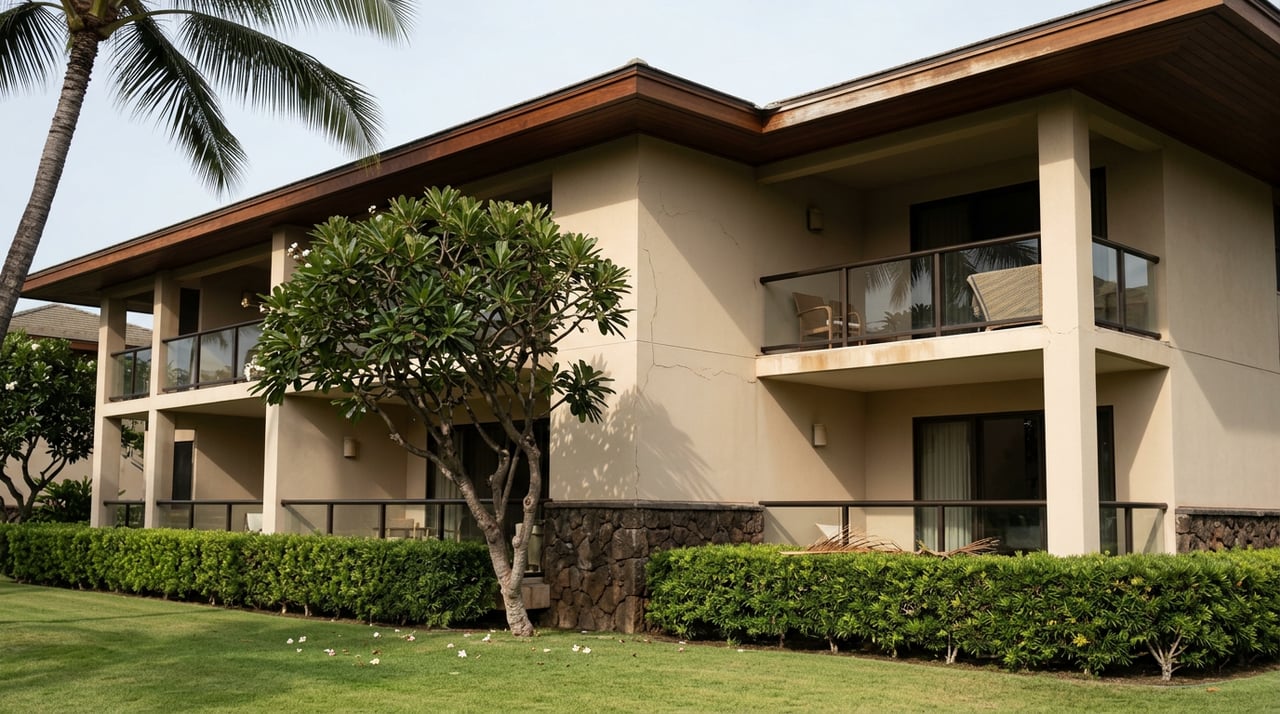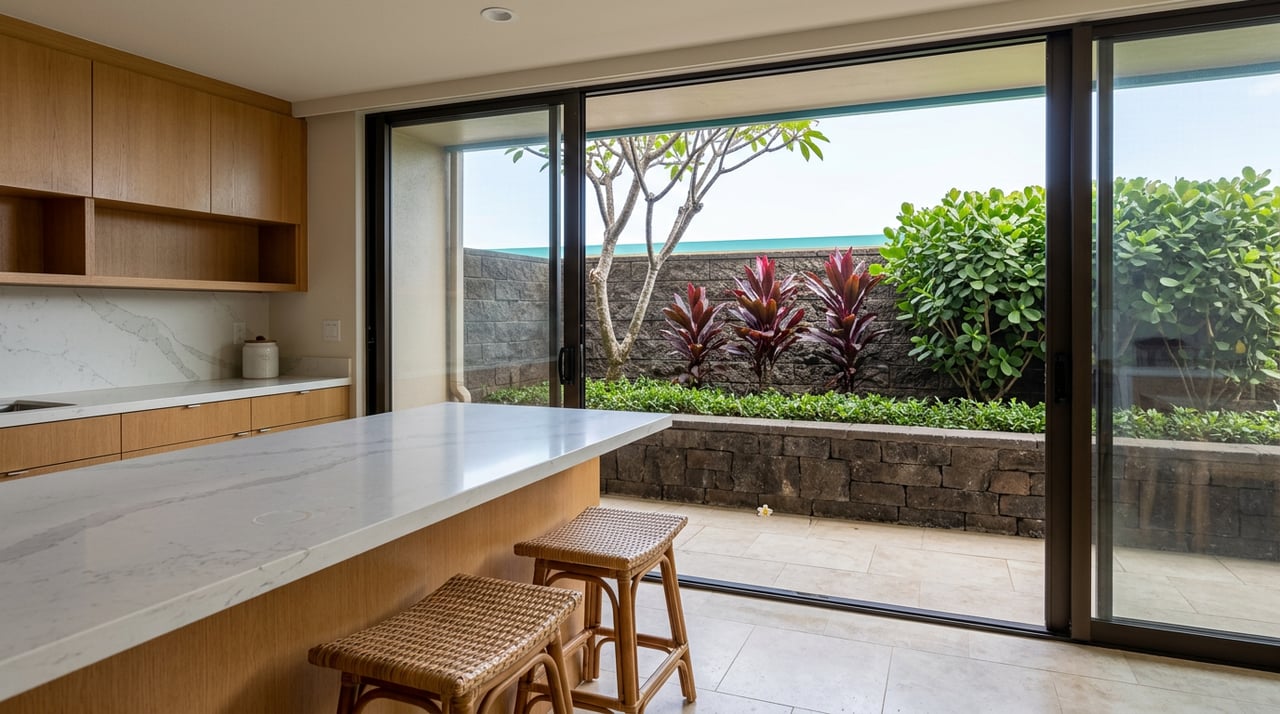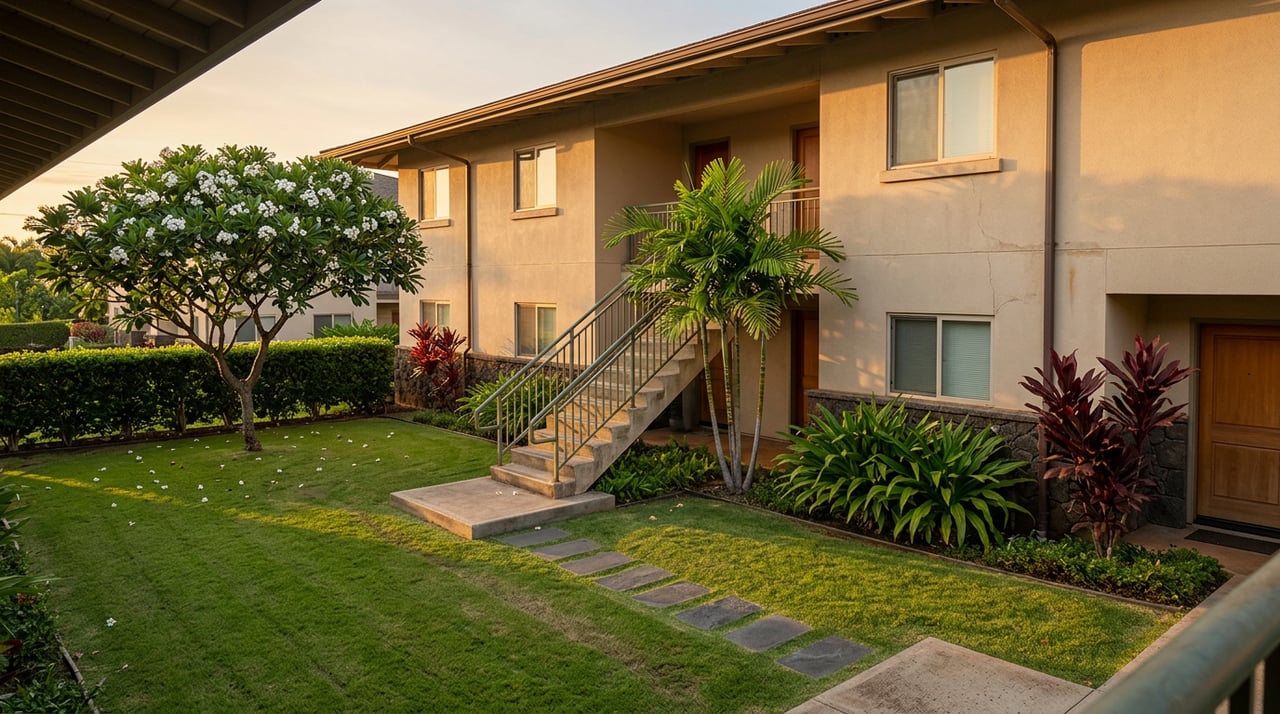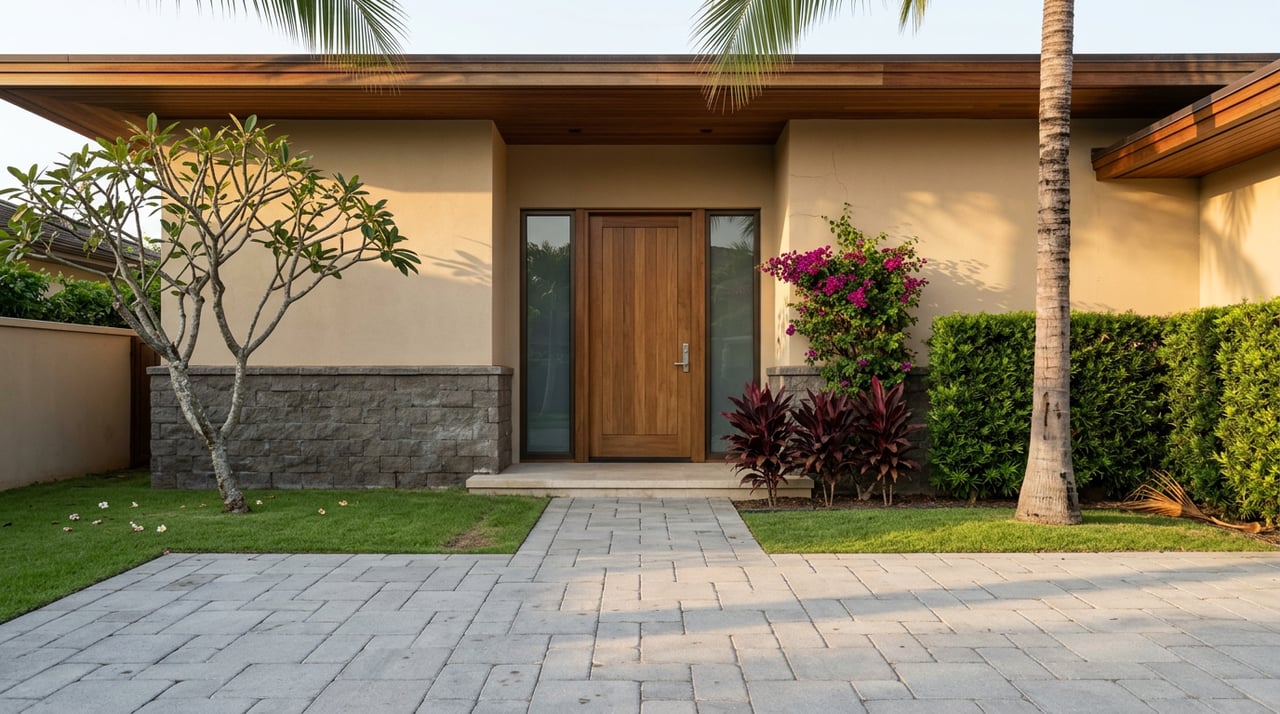
For thirty years, if you lived in Makena and wanted a reason to leave the house on a Friday night, the answer was the same: walk over to the Maui Prince. Live music at the bar, a table at one of the restaurants, maybe a round of golf the next morning on whichever of the two courses wasn't overbooked. That hotel closed on July 1, 2016, and the bulldozers finished the job in 2018. Most writeups on Makena treat that as the end of the story: the resort is gone, the South Course is a memory, here are some beaches instead.
That framing misses what actually happened. Makena's social calendar didn't disappear when the hotel came down. It moved next door, into a golf clubhouse almost no resident will ever join, and it now runs on a schedule of charity dinners and youth tournaments instead of live bands and happy hour. Meanwhile the part of Makena that's still genuinely public, the coastline itself, operates under a fee structure that changed enough in the past few years that half the guides online are still quoting the old number. Understanding both halves, who's actually invited to what, tells you more about how this neighborhood functions day to day than any beach photo does.
What closed, and what actually replaced it
The Maui Prince Hotel opened in 1986 under Seibu, changed hands twice in the 2000s, and was rebranded Makena Beach & Golf Resort before ATC Makena Holdings closed it for good and cleared the site for redevelopment. The golf side had its own separate decline: the South Course, long considered the better of the two eighteens, shut down in 2008. The North Course followed in 2013 for a redevelopment that eventually reopened it, but not to the public. Under Discovery Land Company, the renovated North Course now operates as a private, members-only amenity inside the Mākena Golf & Beach Club residential community. The South routing is, in the club's own words, no longer in play. There's no green fee to pay because there's no way to pay one.
So the golf club that replaced the hotel isn't a place a Makena resident drops into on a whim. But it has quietly become the closest thing the area has to civic infrastructure, because it's the only entity left organizing anything on a recurring basis. Its own 2026 community calendar reads less like a resort activities sheet and more like a small nonprofit's events page:
- Mākena Family Pickleball ran July 25, a community court night open to families in the area.
- Kupu Ka Niu, Kupu Ke Kanaka Dinner is set for August 9, a benefit event tied to the club's stewardship programming.
- I Mau Ke Aloha: Community Golf Event lands August 30, with proceeds directed to the Lahaina Community Land Trust and Hawaiʻi Land Trust.
- Mālamalama Ke Ala ʻŌpio closes out the calendar on September 27.
The club also hosts the Maui Interscholastic League's youth golf championship, a partnership it's kept running since 2017, and in July it held a benefit dinner supporting Maui Food Bank's Da Mobile Market, a produce distribution program. None of this requires club membership to attend. It's open to the public as ticketed charity events, which is a meaningfully different relationship than the old hotel had with the neighborhood around it. The Prince sold you a room and a tee time. What's left sells you a seat at a fundraiser.
The other half: a coastline with its own rulebook
If the golf club is where Makena's organized social life now lives, the actual commons, the part anyone can walk onto without an invitation, is Makena State Park, a 164.4-acre stretch that holds three distinct beaches around the base of Puʻu ʻOlaʻi, the 360-foot cinder cone that splits the shoreline in half.
| Beach | Access | What it's actually good for |
|---|---|---|
| Oneloa (Big Beach) | Two paved lots off Makena Alanui, plus roadside shoulder parking when both fill | Space, sunset views, bodysurfing for strong swimmers |
| Little Beach | Lava rock path over the north end of Big Beach, no separate parking | Shelter from Big Beach's shorebreak on calm days |
| One'uli Beach | Dirt road off Makena Road, other side of the cinder cone | Black sand, quieter, better for snorkeling than the open sand at Big Beach |
| Maluaka Beach | Short drive south, near the old resort site | Calm water, green sea turtles, the closest thing to Big Beach's calm-water opposite |
The pattern here is worth sitting with. Big Beach is the one every visitor photographs, but its default condition is a steep, powerful shorebreak that state park signage warns inexperienced swimmers away from. Maluaka, a few minutes down the road, is the beach that actually delivers the calm, turtle-filled swim most people picture when they imagine Makena. Locals who know the difference send out-of-town guests to Maluaka and keep Big Beach for sunset walks.
The park's fee structure is also worth getting right, because a lot of older content still isn't. Non-residents pay five dollars per person, age four and up, plus ten dollars per vehicle for parking. Hawaii residents enter free with local ID. That's a per-person-plus-per-vehicle structure, not the flat parking fee some sites still describe. For a visiting family of four, that's twenty dollars in entry fees on top of the ten for parking, thirty dollars total, not the five dollars a lot of outdated guides quote. It's a small number, but it's the kind of small number that tells you whether a piece of content was written this year or copied from one written a decade ago.
South of the park, where the rules get stricter
Keep driving past Makena State Park and the road narrows toward ʻĀhihi-Kīnaʻu, Hawaii's first Natural Area Reserve, designated in 1973. The reserve covers 1,238 acres, more than 800 of them underwater, and includes anchialine ponds, rare brackish pools connected to the ocean through underground seepage, that are now closed to all public access. The Department of Land and Natural Resources manages the closure specifically to keep invasive fish, algae, and foot traffic away from those pools. Only a small strip of Ahihi Bay itself remains open for snorkeling.
Past the reserve, the road ends at La Perouse Bay, where a lava field marks the most recent flow on this side of the island. Historians and geologists don't fully agree on when it happened. Carbon dating points to somewhere in the 1500s or 1600s, while a commonly cited date of 1790 rests on a translation of Hawaiian oral history that's been debated for years. Either way, it's the same landscape: black rock running straight into the water, a trailhead for the old government road built under Governor Hoapili in the 1820s and 30s, and no development past this point because the reserve boundary and the lava field don't leave room for any.
What this actually tells you about Makena
Put the two halves together and the picture is clearer than either one alone. Makena's organized social calendar now runs through a private golf club that opens its charity events to the public a handful of times a year. Its open, unrestricted recreation runs through a state park with a fee structure that penalizes group visits more than it used to, and a protected reserve just south of it that keeps shrinking what's accessible rather than expanding it. There's no town square splitting the difference. If you live here, your Friday night options are a ticketed dinner at the club or a sunset walk on Big Beach, and increasingly little in between.
That's not a complaint. It's just an accurate description of a neighborhood that lost its hotel and never got a replacement built around a lobby bar. What replaced it is two separate systems, one gated and one governed by state park rules, running side by side along the same three miles of coastline.
If you're thinking about property in Makena, or trying to understand how a place with no hotel and no town center actually functions day to day, that's exactly the kind of on-the-ground context worth having before you make a decision. Chaston Marcos works this stretch of South Maui closely enough to walk you through it in person. Let's Connect.