If you are comparing resort condos in South Maui, the biggest mistake is focusing on the purchase price alone. In Wailea and Kihei, two units can look similar online but perform very differently once you factor in zoning, HOA structure, taxes, and rental rules. This guide will help you understand where Wailea tends to command a premium, where Kihei can offer more entry points, and which numbers matter most before you buy. Let’s dive in.
Wailea vs Kihei at a glance
If you start with broad condo pricing, Wailea and Kihei sit in very different ranges. According to current condo market snapshots, Wailea has 165 condos for sale at a median listing price of about $1.24 million, while Kihei has 365 condos for sale at a median listing price of about $699,000.
That gap helps frame the market. Wailea generally trades as the more premium resort area, while Kihei offers a wider range of price points, building styles, and operating structures. For you as an investor, that means the better fit depends less on headlines and more on how each property is actually set up.
What current listings suggest
The resort segment shows an even wider spread. In Wailea, active examples include a Wailea Elua two-bedroom condo listed at $3.2 million with $1,769 in monthly HOA dues, and a Wailea Beach Villas property listed at $14.99 million with $6,506 in monthly HOA dues.
In Kihei, current resort-style examples include a Maui Banyan two-bedroom lock-off at $995,000, a Kamaole Sands one-bedroom at $628,999, and a Koa Resort three-bedroom at $799,500. Those examples point to a broader entry range in Kihei, which can be helpful if you want more options on unit size, budget, and potential use.
What you are really buying
A resort condo purchase is not just about square footage and location. You are also buying into a specific amenity package, HOA budget, management environment, and ownership structure.
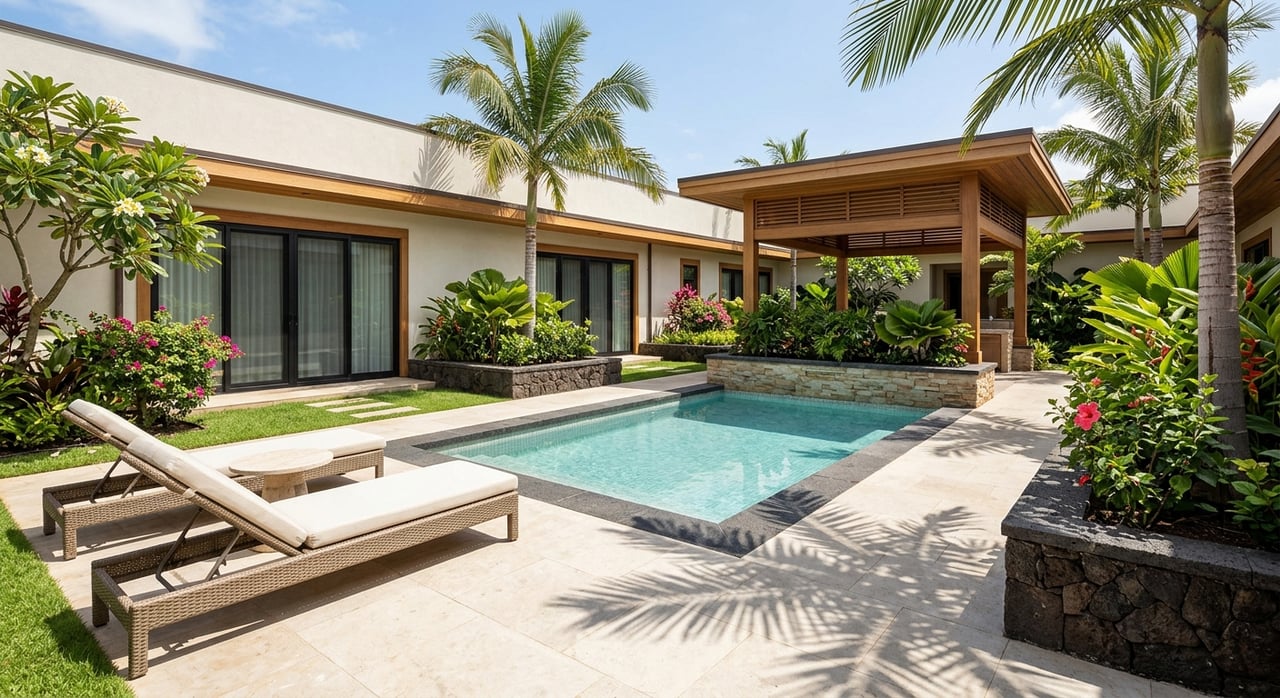
In Wailea, listings often highlight lower-density, luxury-oriented amenities. The Wailea Elua listing notes pools, a spa, gym, tennis, and beachfront walking access, while Wailea Beach Villas includes features like a private plunge pool, outdoor shower, garage, and a large resort setting near beaches, dining, and shopping.
Kihei properties span a wider amenity spectrum. Maui Banyan and other Kihei resort-style listings mention features such as pools, hot tubs, BBQ areas, tennis courts, fitness centers, and low-density grounds, but the mix can vary a lot from one complex to the next.
Why HOA details matter
HOA dues can change your numbers more than many buyers expect. A maintenance fee may include several major expenses, or it may cover only a narrow list of common-area costs.
For example, a South Kihei condo sale at Maui Parkshore described maintenance fees that covered water, solar hot water, sewer, trash, common areas, a heated pool, BBQ, exterior insurance and maintenance, an on-site manager, property management, and storage. If you compare that with another condo that has a similar sale price but fewer included items, your monthly carry and net income could look very different.
Before you get attached to any projected return, make sure you know exactly what the HOA covers and what you will still pay separately.
Rental legality comes first
For resort condo investors, legal rental status is a core underwriting issue. Maui County defines a transient vacation rental as a rental for less than 180 days. According to the county’s transient vacation rental FAQ, hotel districts are intended for short-term rentals, and transient vacation rentals outside approved districts are prohibited unless they have a conditional permit.
The county also states that many vacation rentals may operate legally because they are in approved zoning districts, such as hotel, business, or historic districts, or because they have approved permits. At the same time, the county warns that illegal transient vacation rentals can face an initial $1,000 fine plus additional daily fines up to $1,000.
Questions to verify before you write an offer
Do not rely on marketing language alone. Before you move forward, confirm these items for the specific unit and building:
- The unit’s current zoning
- The current Maui County tax classification
- Whether the property is hotel-zoned, permit-based, or subject to a grandfathered use history that must be verified
- Any condo-doc restrictions on minimum stay, owner use, or booking rules
- Whether lock-off use, pets, or parking rights are restricted
- Whether existing reservations transfer with the sale and how that process works
These details are often more important than the asking price because they affect whether the unit can operate the way you intend.
Property taxes can change the math
One of the biggest mistakes out-of-state buyers make is underestimating tax classification. Maui County’s rates effective July 1, 2025 show meaningful differences by use class. Based on the county’s 2025 tax rate schedule, hotel and resort property is taxed at $11.80 per $1,000 of net taxable assessed value, apartment property at $3.50, TVR-STRH property at $12.50 to $15.55 depending on value tier, and long-term rental property at $2.95 to $8.50.
That means two condos with similar values may carry very different annual tax bills depending on classification. The county also notes that classification is based on highest and best use, with some exceptions for permitted transient vacation rentals and long-term rental or home exemption situations.
Do not forget transient accommodation taxes
If you plan to operate a legal short-term rental, county tax is only part of the picture. Maui County also imposes a 3% transient accommodations tax, and the county notes that operators who pay the state transient accommodations tax are generally also subject to the county tax. State registration is also required.
From an investor perspective, this means your projected gross rental income should always be tested against occupancy, taxes, cleaning, management, utilities, maintenance, and replacement reserves, not just mortgage and HOA.
Occupancy trends are useful, but limited
Many buyers want a simple occupancy benchmark before purchasing in a resort area. That can help, but it should be used carefully.
The Hawaii Tourism Authority notes that its hotel performance survey excludes individually rented vacation condominiums and smaller properties. Still, its March 2025 hotel report showed Maui County hotel occupancy at 67.7%, while Wailea reached 77.3% in that period. The same report set supports the broader point that Wailea has shown strong resort demand relative to the county average.
That does not mean a specific condo unit will produce hotel-like results. A condo’s performance depends on its legal use, view, condition, bedroom count, management strategy, and fee structure. Occupancy data is a signal, not a guarantee.
How to underwrite Wailea and Kihei condos
Whether you are buying your first Maui investment condo or adding to a portfolio, your review process should stay disciplined. The safest approach is to treat every building as its own business model.
A practical investor checklist
Use this checklist when comparing options in Wailea and Kihei:
- Verify zoning and legal short-term rental status
- Confirm current tax classification with the county records available during due diligence
- Review HOA fees and identify what is included versus billed separately
- Ask about reserve studies, deferred maintenance, and any pending special assessments
- Understand management splits, cleaning charges, and booking-program requirements
- Review insurance obligations and deductible exposure
- Estimate utility costs and furniture replacement needs
- Confirm parking rights, storage, pet rules, and lock-off limitations
- Clarify whether the sale includes future bookings and how guest obligations transfer
If you are buying from the mainland, this checklist matters even more. It helps you compare properties based on actual operating structure instead of brochure appeal.
Which market may fit your goals?
Wailea may appeal to you if you want a more luxury-oriented resort setting, lower-density communities, and a market that generally commands a premium. Kihei may fit better if you want more price flexibility, a wider range of condo types, and more varied entry points into the South Maui resort-condo space.
Neither market is automatically the better investment. The stronger opportunity is usually the condo where legal use, tax treatment, HOA inclusions, and total carrying costs align with your goals.
If you want help comparing Wailea and Kihei resort condos from both a lifestyle and numbers perspective, Chaston Marcos Rs can help you evaluate South Maui options with local insight, virtual guidance, and a trust-first approach that works especially well for remote buyers.
FAQs
What is the main difference between Wailea and Kihei resort condos for investors?
- Wailea generally sits at a higher price point and often features more luxury-oriented, lower-density resort communities, while Kihei usually offers more inventory and more entry-level price options.
What should you verify about short-term rentals in Wailea and Kihei?
- You should verify the unit’s zoning, legal rental status, permit history if relevant, and any condo association rules on minimum stays, owner use, and bookings before you buy.
Why do HOA fees matter so much for Maui resort condo investing?
- HOA fees can include very different expenses from one building to another, so they directly affect your monthly carrying costs and potential net income.
How are Maui County property taxes different for resort condos?
- Maui County property tax rates vary by classification, such as hotel-resort, apartment, TVR-STRH, or long-term rental, so the same value can produce very different tax bills depending on use.
Can hotel occupancy data predict resort condo income in Wailea or Kihei?
- Not by itself, because hotel reports do not directly reflect individually rented vacation condos, and each condo’s results depend on legal use, condition, management, and total operating costs.