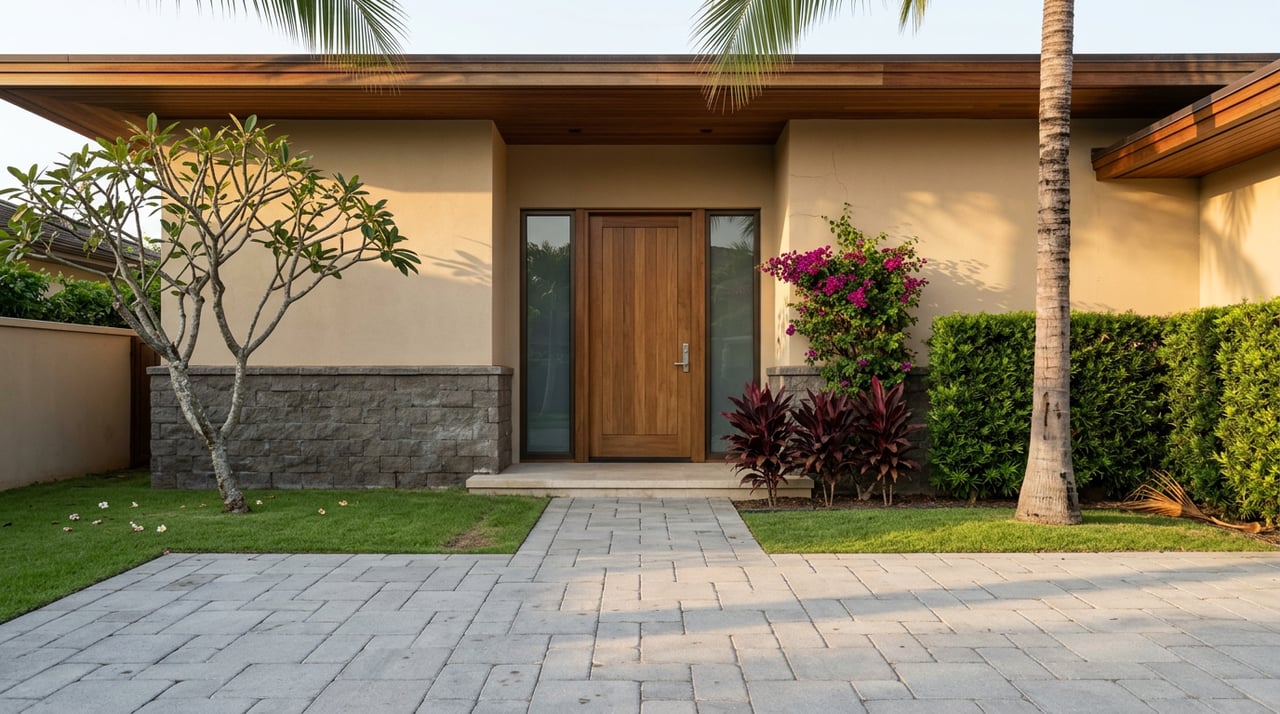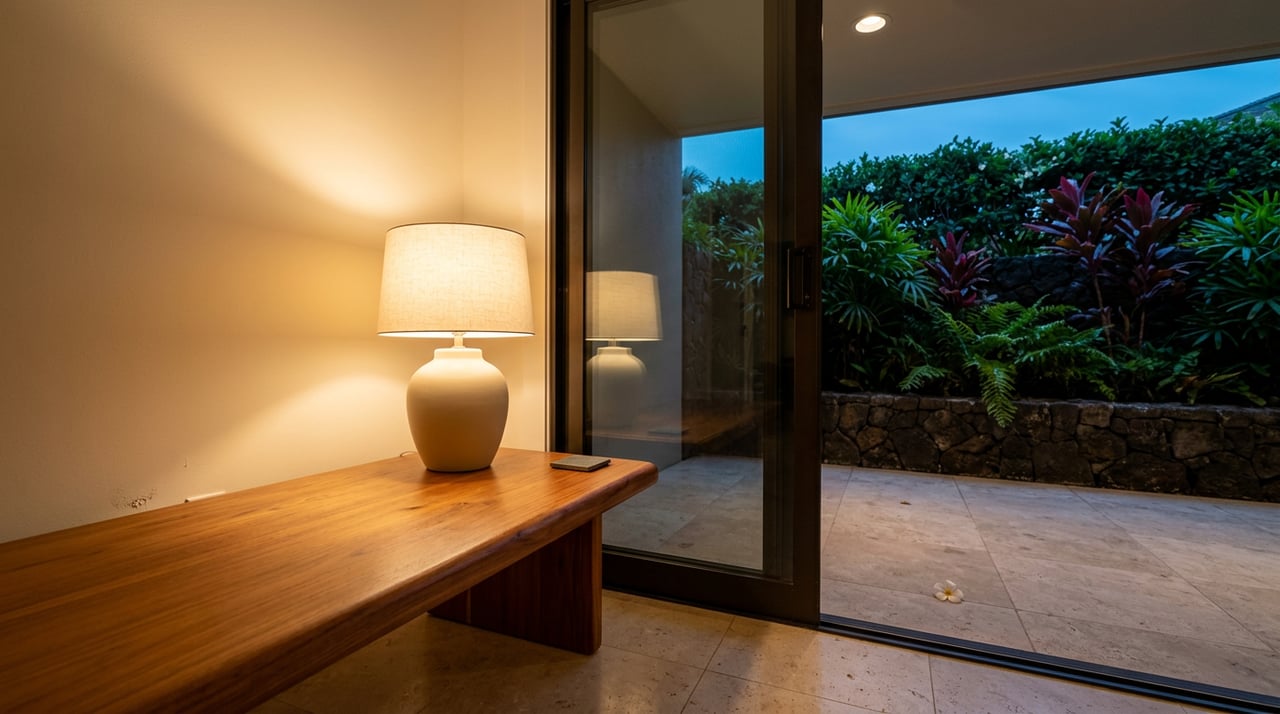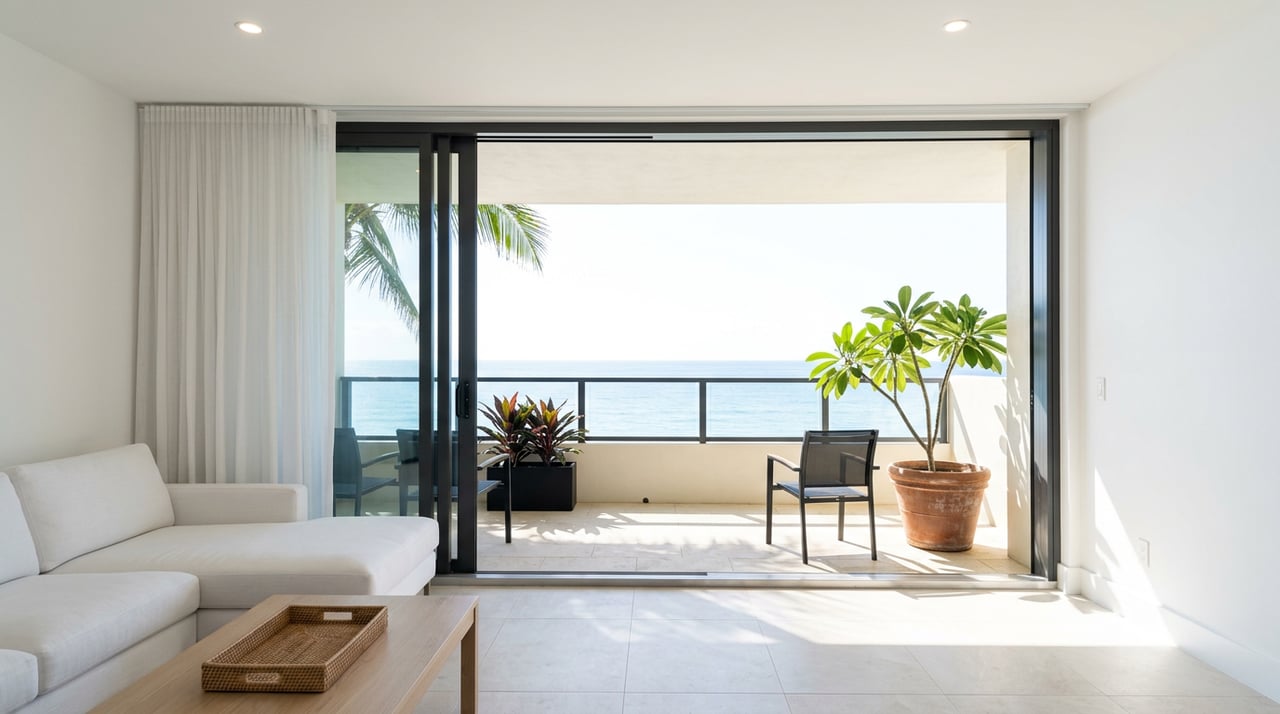
You can feel it the moment you step onto South Kihei Road: warm trade winds, golden sand under your feet, and that easy, walkable rhythm that tells you life can slow down here. If you have been picturing morning coffee on a lanai with a glimmer of ocean in view, Kihei’s beach condo lifestyle might be exactly what you want. In this guide, you will learn what daily life really feels like, the types of condos you will find, seasonal rhythms to plan around, and the key ownership details to check before you buy. Let’s dive in.
Why choose a Kihei beach condo
Kihei stretches along Maui’s sunny south shore, with most condos running parallel to the coast along South Kihei Road. This corridor puts you near a string of public beach parks, casual restaurants, and everyday services. The central zone near the Kamaole beaches and Azeka or Piilani shopping areas tends to feel the most walkable, with groceries, coffee, and dinner spots within easy reach.
Central beach corridor and access
Kihei’s Kamaole Beach Parks I, II, and III create a nearly continuous sandy playground in the heart of town. Many condo communities sit across the street or just a short stroll away. In Hawaiʻi, the shoreline is public, and beach paths are widely available. If you like to know the rules and history around access, the University of Hawaiʻi Sea Grant program offers clear guidance on public coastal access in the islands. You can learn more on the Sea Grant page about coastal access in Hawaiʻi, which outlines the state’s approach to public shoreline rights and pathways.
Explore UH Sea Grant’s overview of coastal access
Walkability and daily errands
If walkability matters to you, focus on central South Kihei. Addresses near the Kamaole parks and Azeka or Piilani corridors often score well for errands, dining, and the beach. Other pockets of Kihei can be more car dependent, so it helps to compare locations block by block when you narrow your search.
Getting around and parking
Maui does have a public bus system with Kihei service, but frequency is limited compared with big cities. Most owners still use a car for day trips, Costco runs, and inter-town outings. Parking setups vary by complex. Some buildings offer assigned stalls or covered spaces, while others have open parking and guest spots. If you plan to split time between Maui and the mainland, pay attention to stall assignments, guest parking rules, and storage options for boards or bikes.
What Kihei condos are like
The Kihei condo landscape is mostly low to mid rise, with many buildings from the 1970s to 1990s and a few oceanfront towers near the sand. Floor plans typically include studios, one bedrooms, and two bedrooms, with a few larger or penthouse layouts in select oceanfront properties.
- Studios often land in the 350 to 550 square foot range.
- One bedroom units commonly run around 580 to 750 square feet.
- Two bedrooms often range from roughly 800 to 1,200 plus square feet, with some oceanfront layouts larger.
A private lanai is a major lifestyle feature and a central part of daily living. Many units open wide to garden courtyards, partial ocean views, or direct ocean panoramas. Interiors vary from original finishes to fully remodeled spaces with beach friendly tile or vinyl, split system A/C, and in unit laundry where allowed. In some communities, laundry is shared, so it pays to check the building rules and recent upgrades.
Amenities to expect
You will find a broad range of on site amenities in Kihei, often with a relaxed, resort like feel.
- Pools and hot tubs for a quick dip at the end of the day
- BBQ stations or pavilions for easy outdoor meals
- Tennis or pickleball courts and sometimes shuffleboard
- Landscaped courtyards and tropical garden paths
- On site rental desks in certain resort zoned properties
Some well known communities sit right across from Kamaole II or III and deliver an easy walk to the sand, while oceanfront properties can front sandy beach directly. Remember that beach access in Hawaiʻi is public, though a private looking walkway may connect a resort to the shoreline.
Resort vibe vs garden style
Kihei offers two general feels. Larger resort style properties provide expansive grounds, bigger pools, and a concierge like experience. Garden style, low rise communities feel more residential, with lush landscaping and a short walk to the beach and dining. Both styles can be a fit, depending on how you plan to use the condo and the kind of day to day energy you prefer.
Living by the seasons
Climate and comfort
Kihei runs warm and sunny most of the year, with average highs in the upper 70s to low 80s and sea temperatures in the mid 70s to low 80s. Rain is lighter here than on Maui’s windward side, and brief tropical showers are common. Spring and fall are relaxing shoulder seasons, and summer brings warmer water and breezier afternoons.
See month by month Kihei climate trends
Whale season and peak months
Humpback whales visit Maui’s waters roughly November through May, with the biggest show from January to March. Many owners spot blows and breaches from their lanais during winter mornings. Visitor numbers also swell around winter holidays and summer vacation, which can affect restaurant waits and beach crowding.
Read local whale season reporting for Maui
Ocean rhythms and water time
South shore beaches like Kamaole and Keawakapu are often calm and swim or snorkel friendly, especially in the morning. Maui’s wave patterns shift by season. Winter tends to light up the north and west shores with more powerful swells, while summer brings south swells that can add surf to normally gentle Kihei beaches. On windy days, mornings are often best for snorkeling before the trades pick up.
Understand Maui’s wind and wave seasons
Ownership essentials in Kihei
Buying a beach condo in Kihei blends lifestyle with a few extra layers of diligence. Here are the headline items to keep top of mind as you evaluate buildings and specific units.
HOA fees and operating costs
Association dues vary widely by project and what they cover. Fees can range from several hundred dollars to over a thousand dollars a month. Review the specific building’s budget, reserve study, and recent meeting minutes. Look for upcoming capital projects and any history of special assessments. Beach area buildings may budget more frequently for exterior work due to salt air.
Short term rental rules are changing
If you expect vacation rental income, confirm the current zoning, permits, and building rules for the exact unit. The County of Maui adopted Bill 9 in late 2025 to phase out transient vacation rentals in certain apartment zoned properties over a staged timeline. Compliance depends on both county law and HOA rules, and the details are time sensitive. Start with the county’s Bill 9 overview, then check current Planning Department FAQs for the latest permit pathways and enforcement.
Taxes on short stays
If you legally rent your condo short term, Hawaiʻi applies a Transient Accommodations Tax and the state General Excise Tax. The GET base rate is 4 percent, with counties adding a 0.5 percent surcharge. Rules and rates can change, so use the State Department of Taxation as your source of truth and register as required. This is general information, not tax advice.
Review Hawaiʻi’s county surcharge guidance
Coastal exposure and maintenance
Sea level rise, king tides, episodic erosion, and tsunami exposure are long term planning topics for shoreline ownership in Hawaiʻi. Many sellers and associations reference official hazard maps during disclosures. You can screen any address using the State’s Sea Level Rise Viewer to understand projected exposure scenarios. Coastal settings also experience more salt air wear, which can affect paint, metalwork, sliding doors, and A/C equipment over time. Associations often plan for building wide projects to keep exteriors tight and resilient.
Check the Hawaiʻi Sea Level Rise Viewer
Insurance and repairs
Coastal properties can have higher insurance and maintenance costs. It is smart to treat insurance as a real operating expense and to ask about recent or planned building upgrades that improve resilience.
See FEMA’s coastal construction guide for context
Smart buyer checklist for Kihei
Use this quick list to stay focused as you compare buildings and units.
- Confirm exact zoning and any short term rental entitlement for the unit. Ask whether the building is hotel zoned or affected by recent county changes, and verify with the HOA and county records. Start with the Maui County Planning FAQs and Bill 9 overview.
- Review HOA financials and reserves. Request the latest budget, reserve study, and recent meeting minutes for signals on future projects and assessments.
- Ask about recent capital projects and deferred maintenance. Common items include roofing, exterior paint, lanai or slider replacements, and plumbing.
- Map public beach access paths near the building. If you care about shoreline position or erosion history, pair on the ground checks with the Hawaiʻi Sea Level Rise Viewer and read Sea Grant’s coastal access guidance.
- Clarify parking and storage. Note assigned stalls, guest parking, surfboard or bike storage, and any waitlists for covered spaces.
- If vacation rentals are allowed, review occupancy patterns and management rules. Ask whether owners can self manage or if third party management is required, and how bookings are handled.
Is Kihei right for you
Choose Kihei if you want a relaxed, sunny beach town with quick access to multiple sandy beaches, casual restaurants, and a strong indoor outdoor lifestyle. Central addresses near the Kamaole parks offer an easy, walkable rhythm, while other areas deliver quieter residential streets that are still minutes from the water by car. If you like morning swims, seasonal whale watching, and a low key resort feel, a Kihei condo can deliver that daily.
When you are ready to compare specific buildings, line up location, lifestyle, and ownership details side by side. Confirm your rental plan against current county rules, review the HOA’s financial health, and use the state viewer to understand coastal exposure. If you want a calm, data backed path to a condo that fits your goals, we are here to help.
Ready to explore Kihei condos with a local, trust first team and virtual friendly tools that make buying from anywhere feel easy? Let’s talk about your short list, budget, and timeline with Chaston Marcos Rs. Let’s Connect.
FAQs
When is whale season in Kihei and what should I expect?
- Humpbacks are typically present from November through May, with peak viewing in January to March, and many owners spot activity from their lanais during calm winter mornings. See local reporting on whale counts for context: Maui News coverage.
Can I legally short term rent a Kihei condo in 2026?
- It depends on county zoning, permits, and your HOA’s rules. Maui County adopted Bill 9 to phase out transient rentals in certain apartment zoned properties over time, so verify entitlement for the specific unit and check the county Bill 9 overview plus the Planning FAQs.
What are typical Kihei condo sizes and layouts?
- Studios often run 350 to 550 square feet, one bedrooms about 580 to 750 square feet, and two bedrooms around 800 to 1,200 plus square feet, depending on the building and floor plan.
How is the beach and ocean for swimming and snorkeling in Kihei?
- South shore beaches such as Kamaole and Keawakapu are often calm and swimmable, especially in the morning. Seasonal south swells can bring shorebreak, and afternoons can be windier. Learn more about Maui’s wind and wave patterns here: weather and waves overview.
What taxes apply if I rent my Kihei condo short term?
- Hawaiʻi applies the Transient Accommodations Tax and the General Excise Tax, with a county surcharge. Rates and rules can change, so check the State Department of Taxation’s guidance: Hawaiʻi county surcharge page.
How can I check coastal hazard or sea level rise exposure for a condo?
- Use the State of Hawaiʻi Sea Level Rise Viewer to screen an address and review projected exposure scenarios that are increasingly referenced in disclosures: Hawaiʻi SLR Viewer.