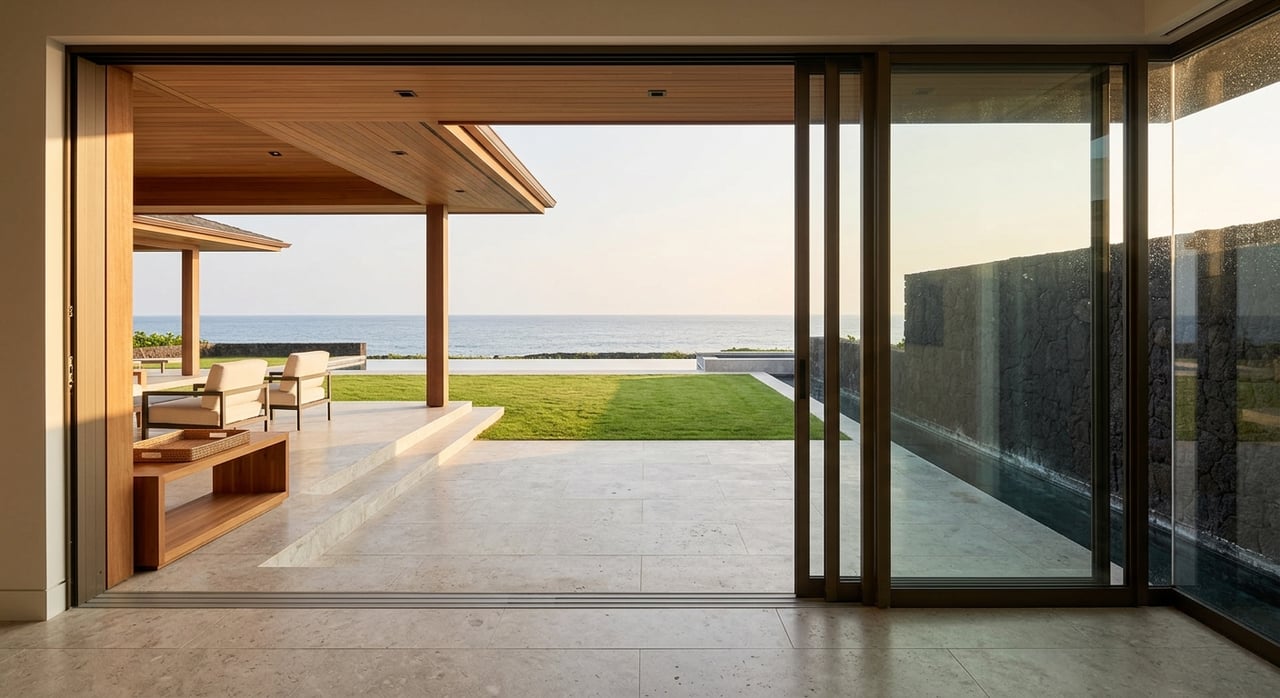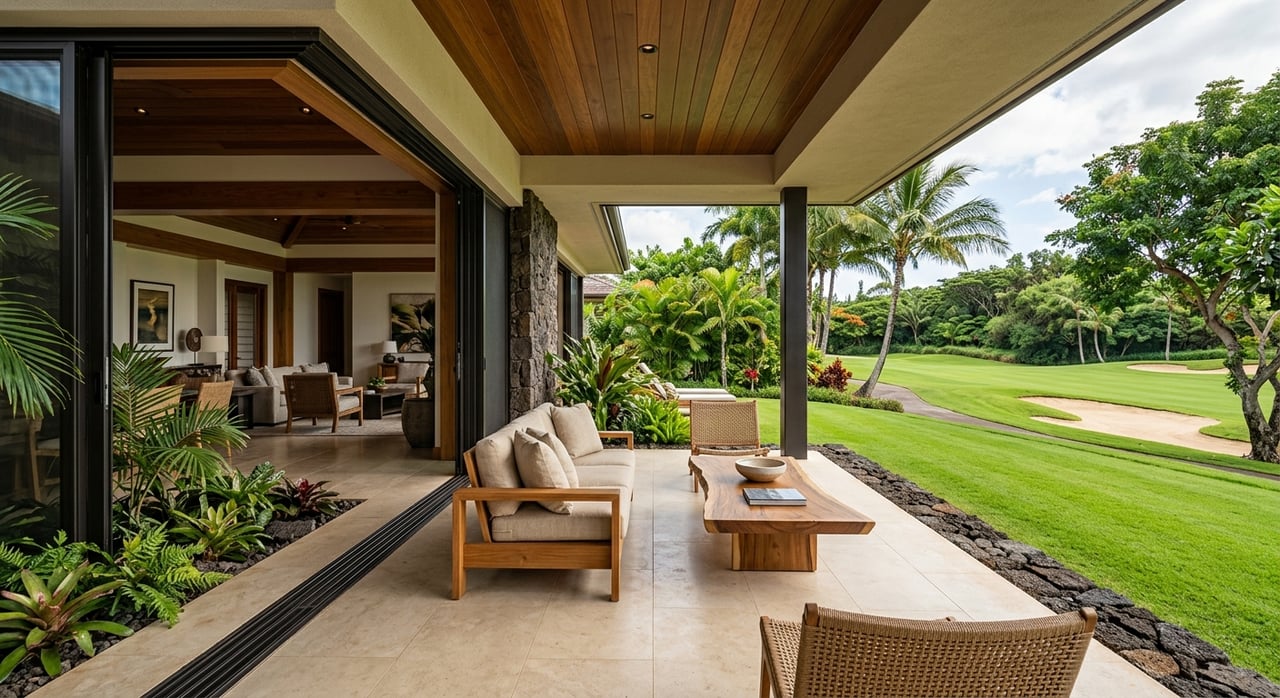
Is your Maui dream home steps from golden sand or closer to the island’s everyday heartbeat? If you are choosing between Kihei and Wailuku, you are really choosing a lifestyle: beach-first living with sunny days, or central convenience with quick access to services. Both are great choices, but they feel very different day to day. In this guide, you will get a clear, side-by-side look at climate, lifestyle, housing types, commute details, and rules that can affect your plans. Let’s dive in.
Quick take: Who each area suits
Kihei tends to fit you if you want daily beach time, reliable sun, and easy access to South Maui’s restaurants and ocean activities. It has many condos and beach parks that make a walk-to-the-water lifestyle simple.
Wailuku tends to fit you if you want a central base near the airport, county services, and Maui’s main hospital. It offers a historic downtown feel, more single-family options, and easy access to Iao Valley and Upcountry drives.
If you like resort convenience and shoreline sunsets, lean Kihei. If you value shorter trips for errands, appointments, and travel days, lean Wailuku.
Location, climate, and vibe
Kihei: Sun and shoreline
Kihei sits on South Maui’s leeward coast, which is typically sunnier, drier, and warmer than the island’s interior. Local climate summaries show steady sunshine and lower rainfall, which is a big reason beach lovers choose South Maui. You can review typical conditions using the Kihei climate profiles on Weatherspark.
South Maui’s beaches stretch from Sugar/Kealia in the north to the Kamaole parks and Keawakapu, then on toward Wailea and Makena. This coastline drives a laid-back, ocean-oriented rhythm and a steady flow of visitors.
Wailuku: Central and green
Wailuku sits inland on Maui’s central isthmus at the mouth of Iao Valley. It is greener and cooler than South Maui, with more rainfall through the year. For a sense of the microclimate shift, check the Kahului area climate summaries on StatsClimat.
From Wailuku you have easy access to county offices, the airport in Kahului, and trailheads that lead into Iao Valley State Monument. The iconic ‘Iao Needle’ and valley scenery are a short drive from town, as shown on the Iao Valley State Monument page.
Beaches, culture, and daily life
Kihei lifestyle: Beach-first and walkable to fun
Kihei is built around ocean access. Public beaches like Kamaole I–III and Keawakapu are a daily draw for swimming, snorkeling, and sunset walks. If you want to explore the shoreline, this list of best Kihei beaches gives a good overview.
You will also find plenty of grocery options, local eateries, and farmers markets, so you can handle most errands without leaving South Maui. For a quick look at options, here is a guide to Maui grocery stores.
Wailuku lifestyle: Civic, cultural, and convenient
Wailuku feels like Maui’s civic and cultural base. You are close to county offices, the airport, and major services. Maui Memorial Medical Center, the island’s main hospital, is in Central Maui, which can be a deciding factor if proximity to care matters. You can read about recent facility upgrades on Maui Health’s news page.
Historic streets, small local businesses, and arts spaces give downtown Wailuku a traditional-town feel. Green valley views and quick Upcountry drives add variety to daily life.
Housing types and market snapshot
Kihei housing at a glance
Kihei has a high concentration of condos in low- and mid-rise buildings near the coast. Many buildings were run as vacation rentals in the past. Condos can offer lock-and-leave ease, beach proximity, and shared amenities. Tradeoffs often include HOA dues, rules, and higher maintenance costs in ocean-facing complexes.
Recent market snapshots show typical Kihei home values around the one-million-dollar mark as of late 2025 to early 2026. Values vary widely by whether you buy a condo or a single-family home, location within Kihei, and view or proximity to the beach.
Wailuku housing at a glance
Wailuku often offers more single-family homes, older plantation-era houses, and infill townhomes compared with coastal condo rows. It reads more like a year-round residential base with fewer large beachfront complexes.
Recent market snapshots in late 2025 show Wailuku median values in the roughly nine-hundred-thousand-dollar range. As always, neighborhood, lot size, age, and updates drive price.
Costs and ownership notes
- Condos: Review HOA budgets, reserve funding, special assessments, insurance, and rental rules before you buy. Plan for HOA dues in your monthly budget.
- Single-family: Expect higher personal maintenance than a condo, plus potential exposure to coastal hazards if the home is in a low-lying area.
- Taxes: If you plan to rent, understand county tax classifications for owner-occupied, long-term rental, or transient vacation rental before closing.
Short-term rental rules to know
Maui County passed Bill 9 in December 2025. The law phases out short-term vacation rental use in many apartment-zoned buildings. West Maui phases first by January 1, 2029, and the rest of the county, including South Maui and Kihei, phases by January 1, 2031. The county’s Bill 9 overview explains timelines and next steps, and local reporting covers the council’s final vote, as noted by Maui Now.
What this means for you:
- If you are eyeing a Kihei condo, confirm zoning and whether the building appears on the county’s Minatoya list for transient vacation rental eligibility. Many A-1 and A-2 apartment-zoned projects will need to convert to long-term use or pursue rezoning over the next several years.
- Expect some market friction as buildings plan for new uses, financing adjusts, and buyers reassess options. This can create both risk and opportunity depending on your goals.
If your goal is a true vacation rental, focus on projects with hotel or resort zoning that are not affected by the phase-out. If your goal is a personal beach base or long-term rental, the policy may broaden your choices in Kihei as more units shift to long-term housing.
Commute and convenience
Kihei to Wailuku or Kahului is a routine island drive. Distances are short, and typical drive times range from about 20 to 35 minutes depending on where you start in Kihei, traffic, and time of day.
- From Kihei, you will likely drive to Kahului for Costco and big-box runs. Daily needs are easy to cover in Kihei, but the warehouse stores sit in Central Maui.
- From Wailuku, you are minutes to the airport, major services, and the hospital. If you want ocean time, you will drive 20 to 35 minutes to South or West Maui beaches.
- Maui Bus and private operators run routes between South and Central Maui. If you plan to rely on transit, check current schedules before you choose a location.
Hazard and resilience checks
Coastal South Maui includes low-lying zones that face present and future high-tide flooding, passive groundwater rise, and storm surge. The State of Hawai‘i Sea Level Rise Viewer is a smart place to start due diligence. You can access it through the State’s PacIOOS sea level rise resources.
Wailuku sits inland at higher elevation, so it is generally less exposed to direct sea level rise, though valley runoff and riverine flooding can be factors in some areas.
For any address on Maui, check two official tools before you buy:
- FEMA Flood Map Service Center for parcel-level flood zones that affect lending and insurance. Start with the FEMA map portal.
- Tsunami evacuation zones and county emergency routes for coastal properties. South Maui’s long shoreline and Central Maui’s valley roads create different evacuation dynamics.
Ask about neighborhood outage history and backup power options, and check for any local water advisories in your service area.
Buyer checklist: Kihei vs. Wailuku
Use this quick list to compare specific addresses and buildings:
- Zoning and rental rules: Confirm A-1 or A-2 apartment zoning vs. hotel/resort zoning, and whether a building appears on the county’s Minatoya list. Review Bill 9 guidance and any HOA plans.
- Hazard and insurance: Look up FEMA flood zones at the FEMA portal. Review tsunami evacuation maps and the State’s sea level rise viewer. Price out homeowners, wind, hurricane, and flood insurance early.
- HOA health: If buying a condo, request HOA budgets, reserves, meeting minutes, and special-assessment history. Confirm rental and occupancy rules.
- Commute and services: Measure your drive times to the airport, medical care at Maui Memorial Medical Center, groceries, and your most frequent errands at various times of day.
Which should you choose?
Pick Kihei if you plan to swim, snorkel, or stroll a beach most days, and you want that classic South Maui sun. Plan for the tradeoffs: HOA dues, more visitor traffic in some areas, and careful hazard checks along the coast. If you are considering a condo, understand how Bill 9 may affect use, financing, and long-term value.
Pick Wailuku if you want a central base with shorter trips for travel, medical needs, and county services. You will get a historic, small-town feel and more single-family options. Plan to drive to beaches more often, and enjoy the cooler, greener setting.
Not sure yet? That is normal. The right choice comes into focus when you match your daily routine, budget, and long-term goals with the facts on the ground. If you want a calm, expert walkthrough of both areas, reach out. Chaston Marcos Rs can help you compare properties, interpret rules like Bill 9, and run the due diligence that turns a good idea into a great decision.
FAQs
What is the biggest lifestyle difference between Kihei and Wailuku?
- Kihei delivers a beach-first, sunny routine with shoreline parks and ocean access, while Wailuku centers on convenience to services, the airport, and the island’s hospital in a greener, more inland setting.
How does Maui’s Bill 9 affect Kihei condos specifically?
- Bill 9 phases out short-term vacation rentals in many apartment-zoned buildings in South Maui by January 1, 2031, so you should verify zoning, the building’s status, and HOA plans using the county’s Bill 9 overview.
Is Wailuku closer to medical care and the airport than Kihei?
- Yes. Wailuku sits in Central Maui near the airport and Maui Memorial Medical Center, which can shorten travel and appointment times compared with living in South Maui.
What hazards should I check before buying near the coast in Kihei?
- Review FEMA flood zones at the FEMA portal, tsunami evacuation maps, and the State’s sea level rise viewer via PacIOOS resources to assess present and future coastal risk.
Where will I do most of my shopping in each area?
- In Kihei you will find everyday groceries and local shops, as outlined in this grocery guide, but big-box runs are usually in Kahului; in Wailuku you are already near the airport and Kahului shopping hubs.