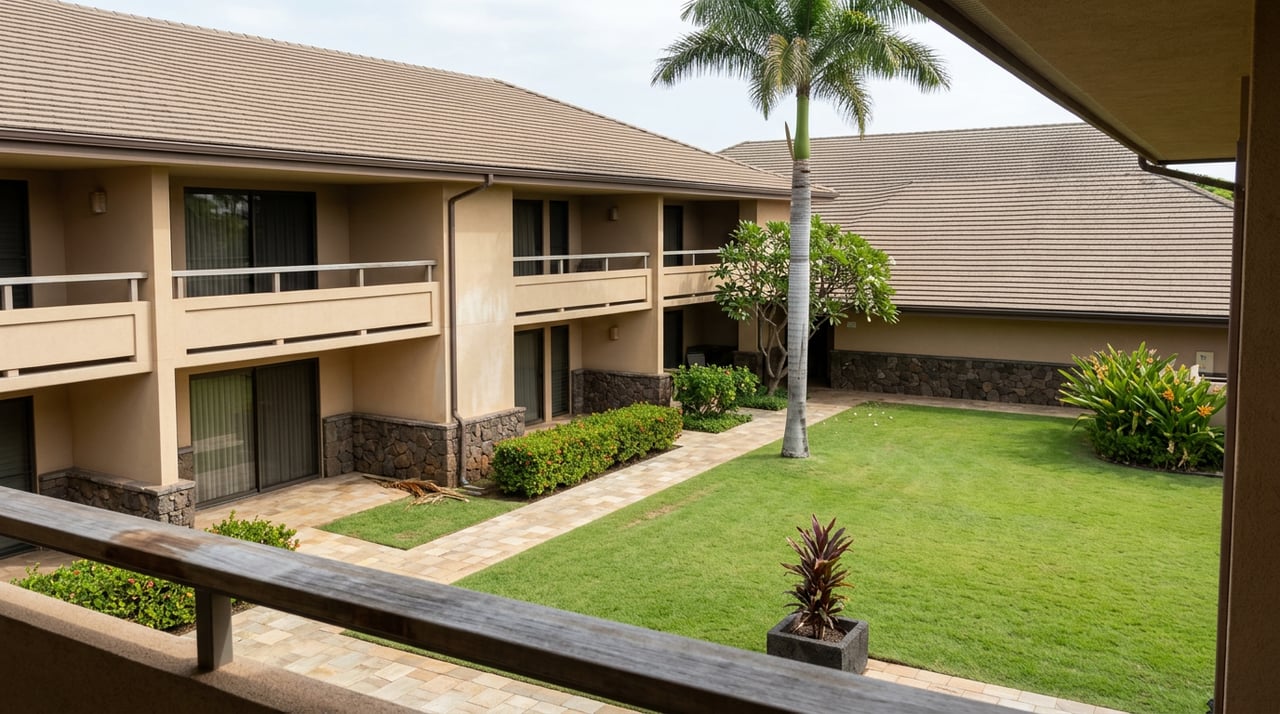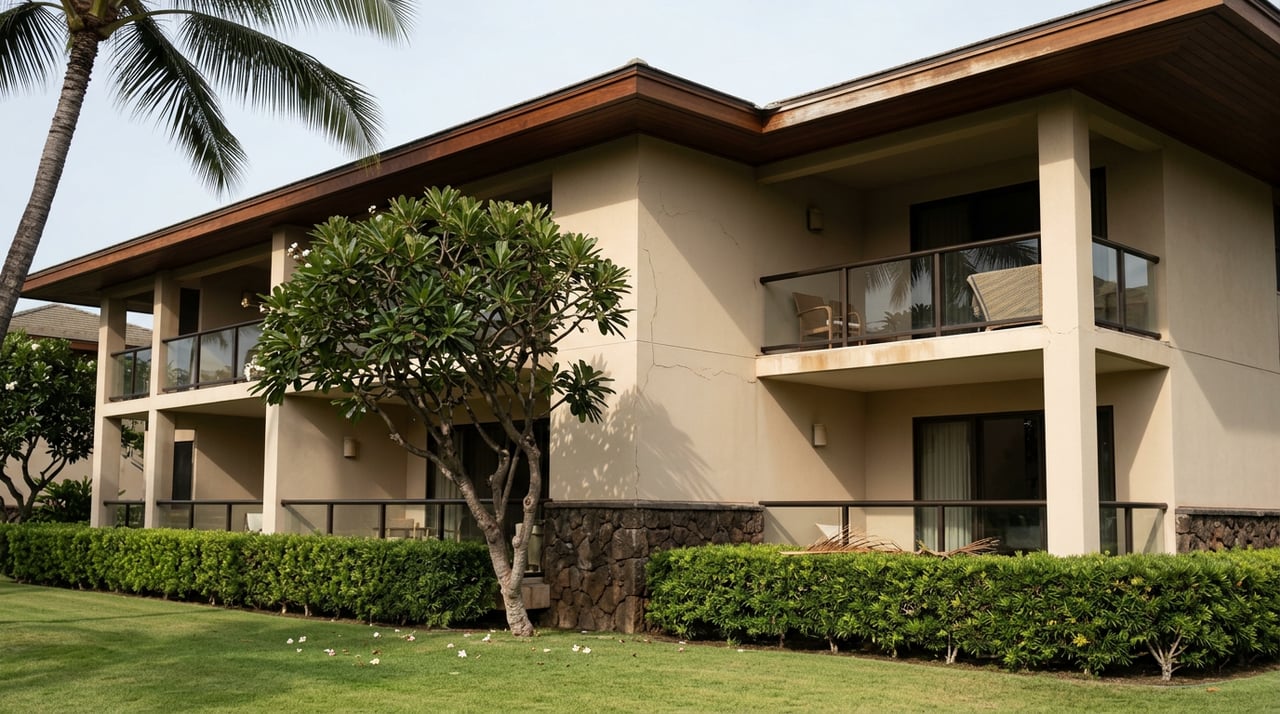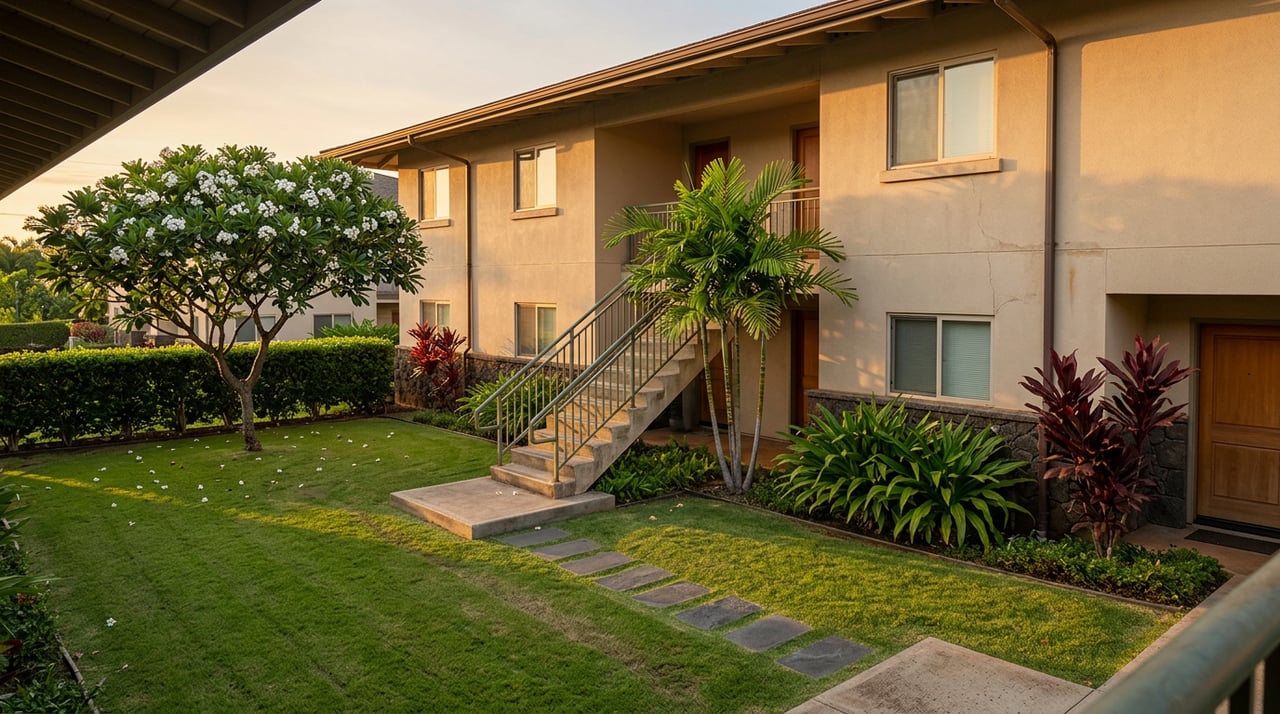
Thinking about an oceanfront condo in Kapalua for both lifestyle and income? You are not alone. The views and resort setting are unmatched, but your return depends on a few specific line items that move the numbers more than you might expect. In this guide, you will learn the revenue levers that matter, the true holding costs to model, a simple pro forma you can build in an afternoon, and a due‑diligence checklist tailored to Kapalua. Let’s dive in.
Kapalua ROI basics
Kapalua is a high‑end resort area in West Maui with limited oceanfront condo supply. Many buildings operate within resort associations that deliver premium amenities but also carry higher operating overhead. That mix is why oceanfront units can command strong rates while still requiring careful expense control.
If you want dependable performance, focus on Kapalua comps only. Kapalua behaves like a luxury micro‑market, and aligning to similar buildings, view corridors, and finishes helps you model ADR and occupancy accurately.
Revenue drivers in Kapalua
ADR leads revenue
Average Daily Rate is the main driver for oceanfront condos in Kapalua. Direct ocean views, upgraded interiors, and access to resort services support higher ADR than inland or non‑resort units. Marketing quality, guest reviews, and thoughtful minimum‑stay policies also influence rate power.
Action for you: compare seasonal ADRs for true comps in the same building or view tier, not just across West Maui.
Occupancy and seasonality
Maui demand is seasonal. Peak periods include winter holiday and whale season from roughly December through April, plus mid‑June through August for summer travel. Shoulder and off‑peak months often show lower occupancy and ADR, so your model must reflect month‑to‑month swings.
Action for you: ask the seller or manager for a 24 to 36 month occupancy calendar and monthly ADR to map seasonality rather than relying on annual averages.
Stay length and booking channels
Shorter minimum stays can lift occupancy but increase cleaning and turns. Longer minimums may support higher ADR and reduce wear and tear. Demand from OTAs can help fill the calendar, while direct or agency bookings can reduce platform fees if you invest in marketing.
Action for you: review the channel mix and the commission or fee structure in the rental ledger so you can model net proceeds correctly.
Ancillary income
Some fees are guest‑paid, such as cleaning or parking, depending on the agreement. Managers may retain a portion or remit to you. On‑property services can add small referral income, but the bulk of revenue is still room rate.
Action for you: confirm in writing which fees you keep, which the manager keeps, and how those flow through on monthly statements.
Costs that matter most
Management fees and structure
Full‑service vacation rental management often runs a percentage of gross rental revenue, commonly in the 20 to 35 percent range depending on services. Some contracts layer in booking, credit card, or guest support fees. Hybrid or owner‑managed models can lower recurring costs but may impact occupancy and your time.
What to do: request the management agreement and a reconciliation showing all fees and typical net payouts for the last 12 months.
HOA dues and reserves
Resort oceanfront condos in Kapalua often carry higher HOA dues because of amenities like pools, landscaping, elevators, and security. The key is what the dues include, reserve health, and the history of special assessments.
What to do: obtain the current HOA budget, reserve study, 12 to 24 months of meeting minutes, and a list of current or pending assessments. Confirm rental rules and any central reservation requirements.
Utilities and services
Hawaii electricity rates are among the highest in the country, and oceanfront properties often run air conditioning frequently. Confirm whether water, sewer, and trash are included in HOA dues or billed separately. Cable or internet and housekeeping can be owner costs if not structured as guest‑paid.
What to do: request 12 to 24 months of unit utility bills and any common area allocation details.
Property and lodging taxes
Maui County property tax classification affects your rate, especially for short‑term rental use. In addition, you must register for and remit state and county lodging taxes, including Transient Accommodations Tax and General Excise Tax when you generate rental income.
What to do: verify the current tax classification on recent bills and confirm the seller’s compliance history with lodging tax registrations and filings.
Insurance in a changing market
Oceanfront exposure often requires specific hazard, wind, hurricane, flood, and liability coverages, and lenders set minimums. Insurance availability and premiums in Maui have been volatile since the 2023 wildfires, and terms can shift year to year.
What to do: obtain the current declarations page, premium history, and quotes from multiple carriers so you can model a realistic range, not a single point.
Maintenance and capital needs
Budget for corrosion control, deck and railing care, appliance replacement, and routine turn costs. Larger items like roofs, elevators, and exterior systems are often HOA responsibilities, but interior upgrades and wear over time fall to you.
What to do: review the last 3 years of repair expenses and schedule an independent inspection that checks coastal corrosion, termite or WDO, HVAC, plumbing, and electrical.
Other recurring costs
Account for turnover cleanings if not fully guest‑paid, platform or booking fees, credit card processing, bookkeeping, legal compliance, and any transient rental license renewals. These smaller items add up and can change your net by several points.
Build a simple pro forma
You can model a Kapalua oceanfront condo in a few steps. Use monthly inputs to capture seasonality and then roll up to annual totals.
Core line items
- Revenue
- Gross rental revenue: ADR multiplied by nights rented
- Owner‑retained cleaning fees and ancillary income, if any
- Less vacancy or collection loss modeled monthly
- Net rental revenue
- Operating expenses
- Property management fees
- Platform or booking fees
- HOA dues
- Utilities
- Property taxes
- Insurance
- Repairs, maintenance, and any turnover costs not guest‑paid
- Marketing and supplies
- Reserves or CapEx allocation
- Net Operating Income (NOI) = Net rental revenue minus operating expenses
- Debt service (if financed)
- Cash flow before tax = NOI minus debt service
- Key metrics: cash‑on‑cash return, cap rate, and gross rent multiplier
A purely illustrative example
The following is only a structure example to show how line items interact. Replace every input with verified figures from the unit you are evaluating.
- Seasonal blended ADR: $600
- Effective occupancy: 55 percent, or 201 nights
- Gross rental revenue: $120,600
- Cleaning fees paid by guests: vary by contract; some portion may be retained by manager and some by owner
- Management fee: 25 percent of gross rental revenue in this example
- HOA dues, utilities, property tax, insurance, repairs, CapEx, and platform or accounting fees all modeled annually
In this illustration, fixed costs like HOA dues and variable costs like management fees drive most of the swing in NOI. A small change in ADR, occupancy, or insurance can shift returns meaningfully, so run scenarios before you write an offer.
Sensitivity and risk planning
Build at least three cases: base, downside, and upside. In the downside case, reduce occupancy and ADR by 10 to 30 percent to see how cash flow holds up. Then adjust insurance and taxes to test resilience if premiums or classifications change.
Also consider broader risks. Weather events, regulatory shifts on short‑term rentals, and macro travel changes can affect demand. Review airline capacity trends, local rule changes, and HOA governance updates as part of your underwriting rhythm.
Due‑diligence checklist for Kapalua
Use this list to request and verify documents before you remove contingencies.
Financial and revenue
- 24 to 36 months of P&L with detailed expenses
- Monthly ADR and occupancy for 24 to 36 months
- Booking ledger showing gross bookings, platform splits, payouts, and refunds
Management and contracts
- Current property management agreement with all fees and termination terms
- Guest rental agreement and cancellation policy
- Summary of OTA and direct booking accounts and who controls them
HOA and legal
- HOA budget, last audited financials, and reserve study
- Meeting minutes for the last 12 to 24 months and any pending litigation
- CC&Rs, house rules, rental restrictions, and renovation rules
- List of current and planned special assessments
- Verification of Kapalua Resort Association rules and any central reservation obligations
Taxes and compliance
- Recent property tax bills and classification documents
- Proof of TAT and GET registration and recent filings
- Any county permits or licenses required for short‑term rental operation
Insurance and risk
- Current declarations pages and premium history
- Claims history and seller disclosures
- Flood zone designation and elevation certificate if available
- Wind or hurricane coverage details and deductibles; confirm replacement cost coverage availability
Physical condition and operations
- Recent inspection report, including coastal corrosion and WDO checks
- Warranties for major systems and appliances
- Photographic inventory of furnishings if sold furnished
- 12 to 24 months of utility bills for the unit and any common area allocation
Market and comparables
- Monthly ADR and occupancy comps for similar Kapalua oceanfront units over 12 to 36 months
- Notes on nearby development or conversions that could change supply
- Local occupancy tax schedules and fee conventions for proper collection and remittance
Title and structure
- Preliminary title report and any easements or access notes
- Confirmation of whether the unit is part of a condo hotel or timeshare program
Practical checks
- Recent guest reviews and ratings for the unit and building
- Parking allocation and guest parking rules
- Owner use rules, including blackout dates or restrictions
Practical ways to lift ROI
- Upgrade selectively: kitchens, baths, and soft goods often have outsized impact on ADR.
- Optimize minimum stays: balance occupancy with cleaning cost frequency.
- Strengthen reviews: prioritize response time and guest support to boost ratings.
- Improve energy efficiency: modern HVAC and smart thermostats can help control electric costs.
- Review your manager: compare full service versus hybrid and align fees to measurable results.
- Encourage direct bookings: reduce platform fees if you can maintain demand through brand presence.
Your next step in Kapalua
If you want the oceanfront lifestyle and a smart underwriting process, align your model to Kapalua’s seasonality, verify every expense line, and price risk with sensitivity cases. When you are ready to walk through actual P&Ls, HOA reserves, and manager contracts, reach out. Let’s connect and build a plan that fits your goals with on‑the‑ground Kapalua expertise. Connect with Chaston Marcos to get started.
FAQs
What drives ADR for Kapalua oceanfront condos?
- ADR is primarily influenced by true oceanfront views, upgraded interiors, resort amenities, marketing quality, reviews, and minimum‑stay policies.
How does seasonality affect occupancy in Kapalua?
- Demand peaks in winter holiday and whale season and again in summer, with shoulder months in spring and fall showing lower rates and occupancy.
Which HOA details matter most for ROI?
- The monthly fee amount, what it includes, reserve study strength, history of special assessments, and any rental rules that affect your operating plan.
What taxes should I model on a Kapalua vacation rental?
- Maui County property tax based on classification and state lodging taxes, including Transient Accommodations Tax and General Excise Tax, with proper registration and remittance.
How should I approach insurance after the 2023 wildfires?
- Obtain current policy details and quotes from multiple carriers, as premiums and availability can change year to year, especially for coastal exposures.
What documents do I need to verify before purchase?
- Ask for 24 to 36 months of P&L, monthly ADR and occupancy, management agreement, HOA budget and reserves, tax and compliance records, insurance declarations, inspection reports, and utility bills.